Luke 12:15 - 21
And he said unto them, Take heed, and beware of covetousness: for a man's life consisteth not in the abundance of the things which he possesseth.
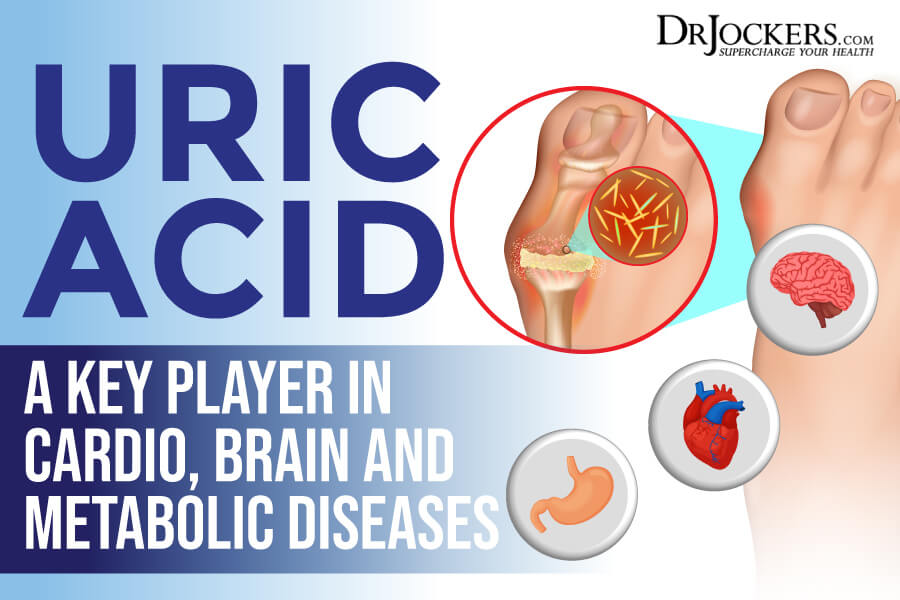
Flushing out excess uric acid naturally involves dietary adjustments, hydration, and lifestyle practices that support kidney function and reduce uric acid production. Here are the most effective natural ways:
1. Hydration is Key
Drink Plenty of Water: Staying hydrated helps your kidneys flush out uric acid more efficiently. Aim for at least 8-10 glasses of water daily.
Add Lemon Water: Lemons are alkalizing and rich in vitamin C, which can help lower uric acid levels.
2. Increase Alkaline Foods
Fruits and Vegetables:
Cherries: Contain compounds that lower uric acid and reduce inflammation.
Citrus Fruits: Oranges, lemons, and limes are rich in vitamin C, which may lower uric acid.
Leafy Greens: Spinach, kale, and other greens help maintain an alkaline environment in the body.
Bananas: Low in purines and potassium-rich, which helps flush out uric acid.
Low-Purine Options: Cucumbers and carrots support kidney function.
3. Limit High-Purine Foods
Avoid or Reduce:
Organ meats (liver, kidney)
Red meat
Shellfish (shrimp, crab)
Certain fish (sardines, mackerel, anchovies)
Alcohol, especially beer and sugary drinks.
Moderate Plant-Based Purines: Lentils, spinach, and mushrooms are okay in controlled amounts.
4. Incorporate Herbal Remedies
Celery Seed Extract: Natural diuretic that helps eliminate uric acid through urine.
Dandelion Tea: Supports kidney function and detoxification.
Nettle Leaf Tea: Known for its anti-inflammatory properties and ability to reduce uric acid.
Chicory Root Tea: Supports liver and kidney detoxification.
5. Support Kidney Function
Potassium-Rich Foods: Bananas, avocados, sweet potatoes, and oranges help neutralize uric acid.
Apple Cider Vinegar: Mix 1-2 teaspoons in water daily to improve alkalinity.
Baking Soda: Helps neutralize acid. Mix ½ teaspoon in a glass of water and drink occasionally. Avoid if you have high blood pressure.
6. Increase Dietary Fiber
Whole Grains and Legumes: Fiber binds uric acid in the digestive tract and aids in its excretion.
Flaxseeds and Chia Seeds: Rich in omega-3s and fiber.
7. Optimize Vitamin Intake
Vitamin C: Regular intake helps lower uric acid levels. Sources include oranges, strawberries, and supplements.
Magnesium: Reduces inflammation and aids in uric acid excretion. Sources include nuts, seeds, and leafy greens.
8. Exercise Regularly
Helps maintain a healthy weight, reducing stress on the kidneys and lowering uric acid levels.
Avoid intense exercise during flare-ups, as it may temporarily increase uric acid.
9. Manage Stress
Stress can increase uric acid production. Practices like yoga, meditation, and deep breathing can help.
10. Limit Sugar and Fructose
Fructose in sugary drinks and processed foods increases uric acid production. Opt for natural sweeteners like honey in moderation.
11. Monitor and Maintain a Healthy Weight
Excess fat can impair kidney function, leading to higher uric acid levels.
12. Consider Natural Supplements
Quercetin: Found in apples and onions, reduces uric acid levels.
Turmeric: Anti-inflammatory properties help alleviate symptoms of gout.
Bromelain: Found in pineapples, supports inflammation reduction.
13. Alkalize Your Body
Drink lots of water especially Kangen Water
Contact me on Facebook
Here are ten home remedies that help in uric acid treatment at home:
Stay hydrated:
Drink plenty of water throughout the day to help flush out excess uric acid from the body.
Apple cider vinegar:
Mix a tablespoon of raw, unfiltered apple cider vinegar in a glass of water and drink it daily. Apple cider vinegar may help alkalize the body and reduce uric acid levels.
Lemon water:
Squeeze fresh lemon juice into a glass of warm water and drink it in the morning on an empty stomach. Lemon water can help alkalize the body and support the elimination of uric acid.
Cherries:
Eat cherries or drink cherry juice regularly. Cherries contain compounds that may help reduce uric acid levels and alleviate gout symptoms.
Ginger:
Include ginger in your diet or drink ginger tea. Ginger has anti-inflammatory properties that may help reduce gout-related inflammation and lower uric acid levels.
Turmeric:
Use turmeric in your cooking or take turmeric supplements. Curcumin, the active compound in turmeric, has anti-inflammatory properties and may help lower uric acid levels.
High-fiber foods:
Consume a diet rich in high-fiber foods like whole grains, fruits, vegetables, and legumes. Fiber can help regulate uric acid levels and promote kidney function.
Low-purine diet:
Limit the intake of purine-rich foods such as organ meats, shellfish, red meat, and alcohol, as they can contribute to increased uric acid levels.
Exercise regularly:
Engage in regular physical activity to maintain a healthy weight and promote proper uric acid metabolism.
Herbal remedies:
Some herbs like nettle leaf, dandelion root, and celery seed have been traditionally used to support kidney function and reduce uric acid levels. Consult with a healthcare professional before using herbal remedies.
Safest Ways to Avoid Arterial Cholesterol Build-Up
Natural vitamins and minerals, along with a healthy diet, can help support cardiovascular health by promoting blood vessel cleansing and reducing arterial cholesterol buildup. Here are some of the safest and most effective options:
Vitamins
Vitamin C (Sodium Ascorbate)
Function: Acts as a powerful antioxidant, supports collagen production for healthy blood vessels, and helps reduce oxidative stress linked to cholesterol deposits.
Sources: Citrus fruits, strawberries, bell peppers, broccoli, and guava.
Vitamin D
Function: Regulates calcium and phosphate, reduces arterial stiffness, and lowers inflammation in blood vessels.
Sources: Sunlight, fortified dairy, fatty fish, and mushrooms.
Vitamin E
Function: Prevents oxidation of LDL cholesterol, which is critical in preventing plaque formation in arteries.
Sources: Nuts, seeds, spinach, and sunflower oil.
Vitamin K2
Function: Directs calcium to bones instead of arterial walls, reducing calcification and maintaining arterial flexibility.
Sources: Fermented foods, cheese, egg yolks, and natto (fermented soybeans).
Minerals
Magnesium
Function: Relaxes blood vessels, reduces inflammation, and lowers blood pressure, which helps prevent arterial damage.
Sources: Leafy greens, nuts, seeds, and whole grains.
Potassium
Function: Balances sodium levels in the body, reducing blood pressure and lowering the risk of arterial damage.
Sources: Bananas, oranges, potatoes, spinach, and avocados.
Zinc
Function: Helps repair endothelial cells (lining of blood vessels) and reduces LDL cholesterol oxidation.
Sources: Meat, shellfish, legumes, seeds, and nuts.
Other Natural Compounds
Omega-3 Fatty Acids
Function: Reduce triglycerides, decrease inflammation, and improve arterial function.
Sources: Fatty fish (salmon, mackerel, sardines), flaxseeds, and walnuts.
Fiber (Soluble Fiber)
Function: Binds cholesterol in the digestive system, reducing its absorption and promoting excretion.
Sources: Oats, barley, beans, lentils, fruits, and vegetables.
Plant Sterols and Stanols
Function: Block cholesterol absorption in the gut, lowering LDL levels.
Sources: Fortified foods, nuts, seeds, and whole grains.
Curcumin (from Turmeric)
Function: Anti-inflammatory and antioxidant properties help improve endothelial function and reduce plaque buildup.
Source: Turmeric spice or supplements.
Garlic
Function: Contains allicin, which lowers cholesterol, reduces blood pressure, and improves arterial health.
Source: Fresh garlic or garlic supplements.
Lifestyle Tips
Stay Hydrated: Water helps maintain proper blood viscosity.
Exercise Regularly: Promotes circulation and reduces LDL cholesterol.
Avoid Trans Fats and Limit Saturated Fats: These contribute to arterial plaque.
Before starting any supplement or drastic dietary change, consult with a healthcare provider to ensure safety, especially if you have existing health conditions or are on medication.
The heart pumps oxygenated blood, which is then dispensed all over the body through an intricate and extensive web of narrow tube-like structures called arteries. The force of the blood flowing through these blood vessels determines your blood pressure.
The walls of the arteries are muscular and elastic, which means they can expand or constrict according to the volume of blood. This helps maintain stable blood pressure. But as one grows older, different factors can damage the arteries over time, triggering cardiovascular problems.
An unhealthy diet and lifestyle are major culprits behind such problems. What usually happens is that excessive fat and calcium in the blood accumulate on the inner wall of the arteries, making them hard and clogged. These waxy deposits are called plaque, which eventually solidifies and causes hardening of the arteries (atherosclerosis).
Thus, it is very important to make sure that your arteries are well maintained for the prevention and management of cardiovascular diseases. (1) Nutrition is an important component in the maintenance of arterial and overall cardiovascular health. (2)(3)
Advertisements
Foods Beneficial for the Health of Arteries
Foods that are beneficial to the health of your arteries help to reduce the size of the existing plaque and/or to keep the amount of plaque stable as well as to reduce and prevent excessive inflammation in the body, thus preventing arterial wall damage. (4)
As discussed previously, inflammation in the body negatively affects the health of the arteries. Avocado oil, olive oil, (6)(7) and flaxseed oil (6) are also anti-inflammatory.
2. Complex carbohydrates
Complex carbohydrates are high in fiber. Fiber aids in the excretion of LDL cholesterol in the body. (6)(8) Complex carbohydrates, such as the following, also reduce inflammation in the body:
For those who are on a gluten-free diet, the type of flour and/or grain to replace is vital in your overall health. Choose flours that are made of legumes or complex carbohydrates to prevent inflammation.
Advertisements
3. Lean cuts of meat and fish
Lean cuts of meat and fish contain lower amounts of saturated fats. Diets that are low in saturated fats help reduce the formation of plaque in the arteries. (9)
When preparing poultry products, make sure that you trim the skin off of the cut of meat during preparation. This reduces the amount of saturated fat in the final product.
Fish is not only low in saturated fat (7) but also contains omega-3 fatty acids, which are anti-inflammatory. (10)
Lean meat and fish that are good for the arteries include:
People who already suffer from cardiovascular ailments should also consider adding more vitamins E and C to their diet. Both these nutrients are strong antioxidants that work together to prevent the oxidation of cholesterol.
Oxidized cholesterol is a key component of the plaque that clogs arteries, and these vitamins help reduce its formation. In that sense, they help keep your arteries relaxed and open.
Vitamin E is known to lower the risk of heart attack, while vitamin C helps it work better inside the body. Vitamin C also helps your arteries function better. (13)
Diets high in saturated fat, trans fat, sodium, added sugar, and inflammatory foods negatively affect the health of the arteries by causing plaque buildup and/or damage to the arterial wall in the following ways:
1. Foods high in unhealthy fats
Foods high in unhealthy fats (saturated and trans fats) cause plaque buildup in the arteries. Saturated and trans fats are solid at room temperature.
Advertisements
Examples of saturated fats in the diet are butter, coconut oil, palm oil, cheese, full-fat dairy products, and fatty cuts of meat. Examples of trans fat are shortening, some margarine products, French fries, baked goods, and pizza.
Foods that contain saturated and trans fats commonly also have excessive sodium. It is best to limit foods that are high in dietary sodium and to choose food items that are classified as low sodium (<140 mg of sodium per serving). (14)
2. Added sugar
Excessive added sugar (e.g., table sugar, honey, molasses, high-fructose corn syrup) not only causes an increase in the total amount of fat in the body, in the form of triglycerides, but it also causes inflammation in the body.
Excessive amounts of dietary fat in the form of triglycerides contribute to the formation of plaque buildup in the arteries. (15)
Advertisements
3. Inflammatory foods
Another dietary factor that can negatively affect the health of your arteries is inflammatory foods. (11)
4. Alcohol consumption (in excess)
Excessive alcohol consumption is not good for your heart (11) as it increases your triglyceride levels, blood pressure, and calorie load. (16) All these are risk factors for atherosclerosis and other cardiovascular ailments.
How the Health of Your Arteries Affects Your Cardiovascular System
The function of your arteries is to transport oxygen and nutrients in your blood away from your heart and to your body’s tissues. Therefore, your arteries are vital in the support of your overall health. (17)
Your dietary intake is crucial in the maintenance of healthy arteries, prevention of atherosclerosis, and restoration of arterial health. (18)
A diet with high amounts of sodium can cause vasoconstriction of the arteries and increase fluid in the arteries. Vasoconstriction causes less blood flow through the arteries. The increase of fluid in the arteries due to excess sodium can cause an abnormal increase in blood pressure (hypertension). (18)
Healthy arteries easily allow blood to pass through to all parts of your body and are elastic in nature. When atherosclerosis develops, blood flow is impaired due to plaque buildup. (19)
Inflammation in the body causes an immune response that causes damage to the walls of the arteries, and inflammation can start the buildup of plaque in the arteries as well. The inflammation, in effect, causes the arteries to become less elastic and leads to less blood flow throughout your body. (19)
Over time, without a diet supporting the health of the arteries, their health can decline. Although plaque buildup in the arteries is not reversible, so prevention is key, nutrition’s role in relation to the health of your arteries is beneficial.
Final Word
Nutrition’s role in the prevention and maintenance of arterial health is vital. It is recommended to choose a diet that can be maintained in your daily lifestyle and supports the health of your arteries such as the DASH diet, the Mediterranean diet, (7) and the MIND diet.
It is also very important to choose foods that are anti-inflammatory, low or have no added sugars, low in sodium (less than 140 mg per serving), lean cuts of meat, and rich in antioxidants.