


Verse

Luke 12:15 - 21 And he said unto them, Take heed, and beware of covetousness: for a man's life consisteth not in the abundance of the things which he possesseth.

Friday, 14 June 2024

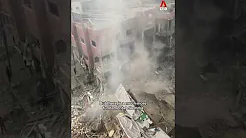
Israel-Hamas war: Explained


Israel-Hamas war: Did 67 words spark the Israel-Palestine conflict?


Israel-Hamas war: What happened during the October 7 attack? [Part 4/8]


Wednesday, 5 June 2024

Writing a Book


Writing a Book


Writing a book can be a rewarding endeavor, and breaking it down into manageable steps can make the process more approachable. Here’s a structured plan to get you started:

Step 1: Idea Development

  1. Identify Your Genre and Audience:

    • Decide if your book is fiction or non-fiction.
    • Determine who your target audience is (age group, interests, etc.).
  2. Brainstorm Ideas:

    • Jot down all your ideas.
    • Choose a central theme or topic that excites you.
  3. Research:

    • Conduct preliminary research on your topic.
    • Read books, articles, and other sources related to your idea.

Step 2: Planning and Outlining

  1. Create a Rough Outline:

    • Break your book into major sections or chapters.
    • Summarize what each section or chapter will cover.
  2. Develop Characters and Setting (for Fiction):

    • Create detailed profiles for your main characters.
    • Develop the setting where your story will take place.
  3. Detailed Chapter Outlines:

    • Expand your rough outline into detailed chapter summaries.
    • Include key plot points, character development, and major events.

Step 3: Writing the First Draft

  1. Set a Writing Schedule:

    • Decide on a daily or weekly word count goal.
    • Choose specific times for writing sessions and stick to them.
  2. Start Writing:

    • Begin with any chapter or section that inspires you.
    • Focus on getting words on the page; don’t worry about perfection.
  3. Maintain Momentum:

    • Write consistently, even if you feel stuck.
    • Use placeholders for parts you want to revisit later.

Step 4: Revising and Editing

  1. Complete the First Draft:

    • Finish writing your entire book before starting major edits.
  2. Take a Break:

    • Set your manuscript aside for a few days or weeks.
    • Return with fresh eyes for a better perspective on revisions.
  3. First Round of Edits:

    • Focus on big-picture issues: plot holes, character development, structure.
    • Rewrite and rework sections as needed.
  4. Second Round of Edits:

    • Concentrate on finer details: language, style, consistency.
    • Fix grammar, spelling, and punctuation errors.

Step 5: Feedback and Final Revisions

  1. Seek Feedback:

    • Share your manuscript with trusted friends, family, or writing groups.
    • Consider hiring a professional editor for a thorough review.
  2. Revise Based on Feedback:

    • Address constructive criticism and make necessary changes.
    • Be open to suggestions but stay true to your vision.

Step 6: Preparing for Publication

  1. Format Your Manuscript:

    • Ensure your manuscript adheres to standard formatting guidelines.
    • Create a title page, table of contents, and any other front/back matter.
  2. Choose Your Publishing Route:

    • Decide between traditional publishing and self-publishing.
    • Research publishers, agents, or self-publishing platforms.
  3. Submit or Self-Publish:

    • Prepare a query letter and submit to agents/publishers (for traditional).
    • Format for e-books and print, and upload to self-publishing platforms (for self-publishing).

Step 7: Marketing and Promotion

  1. Build an Online Presence:

    • Create a website or blog.
    • Engage with readers on social media.
  2. Promote Your Book:

    • Plan a book launch event.
    • Use email marketing, book signings, and collaborations to spread the word.
  3. Gather Reviews:

    • Request reviews from readers and influencers.
    • Encourage readers to leave reviews on platforms like Amazon and Goodreads.

Additional Tips:

  • Stay Organized: Use tools like Scrivener, Google Docs, or Microsoft Word to keep your manuscript organized.
  • Join Writing Communities: Participate in writing groups, forums, or workshops for support and motivation.
  • Keep Learning: Read books on writing craft, attend webinars, and seek out resources to improve your writing skills.

Remember, writing a book is a marathon, not a sprint. Be patient with yourself, stay committed, and enjoy the creative process. Good luck!

You said:
What is the best free online editor that I can use to edit my Manuscript?
ChatGPT said:
ChatGPT

There are several excellent free online editors you can use to edit your manuscript. Here are a few of the best options:

1. Google Docs

  • Features:
    • Real-time collaboration with others.
    • Automatic saving and cloud storage.
    • Integration with other Google services.
    • Commenting and suggestion modes for feedback.
  • Ideal For: Collaborative editing and those who want a simple, accessible tool with robust features.

2. LibreOffice Writer

  • Features:
    • A full-featured word processor similar to Microsoft Word.
    • Offers extensive formatting options and tools.
    • Supports a variety of file formats.
    • Offline and online use.
  • Ideal For: Writers who need a comprehensive word processor with advanced features.

3. Zoho Writer

  • Features:
    • Cloud-based with offline editing capabilities.
    • Real-time collaboration and editing.
    • Integration with other Zoho apps and external services like Dropbox and Google Drive.
    • Advanced formatting and layout options.
  • Ideal For: Users looking for a robust, cloud-based writing tool with collaboration features.

4. Hemingway Editor (Online Version)

  • Features:
    • Focuses on readability and style improvements.
    • Highlights complex sentences, passive voice, and adverbs.
    • Provides readability score.
  • Ideal For: Writers who want to improve the clarity and readability of their text.

5. Reedsy Book Editor

  • Features:
    • Specifically designed for book authors.
    • Easy-to-use interface with focus on book formatting.
    • Collaboration features for working with editors and co-authors.
    • Export options for EPUB, MOBI, and PDF formats.
  • Ideal For: Authors looking for a specialized tool for writing and formatting books.

6. Grammarly (Free Version)

  • Features:
    • Grammar, spelling, and punctuation checks.
    • Basic style and tone suggestions.
    • Browser extension and integration with various platforms.
  • Ideal For: Writers who need help with grammar and basic style improvements.

7. Draft

  • Features:
    • Focuses on simplicity and distraction-free writing.
    • Version control and collaborative editing features.
    • Integration with cloud services like Google Drive and Dropbox.
  • Ideal For: Writers who prefer a minimalist, distraction-free writing environment with powerful collaboration features.

Each of these tools offers unique features that can aid in the editing process. The best choice for you depends on your specific needs, such as collaboration, advanced formatting, or readability improvements. You might find it useful to try out a few of them to see which one fits your workflow best.

What is a copywriting Business?


What is a copywriting Business? 

A copywriting business involves creating written content for various forms of marketing and advertising. Copywriters craft persuasive and engaging text designed to drive sales, promote products or services, and communicate brand messages. This content can include website copy, blog posts, social media posts, email newsletters, advertisements, brochures, and more.


Steps to Start a Copywriting Business

1. **Develop Skills and Knowledge:**

   - **Writing Skills:** Hone your writing skills, focusing on clarity, persuasion, and engaging storytelling.

   - **Marketing Knowledge:** Understand the basics of marketing and advertising principles.

   - **SEO Knowledge:** Learn about search engine optimization (SEO) to create content that ranks well on search engines.


2. **Build a Portfolio:**

   - Create samples of your work to showcase your skills. This can include spec ads, blog posts, or content created for friends or local businesses.


3. **Set Up Your Business:**

   - **Choose a Business Structure:** Decide whether to operate as a sole proprietor, LLC, etc.

   - **Register Your Business:** Get any necessary licenses or permits.

   - **Create a Website:** Build a professional website to display your portfolio, services, and contact information.


4. **Define Your Services and Pricing:**

   - Determine what types of copywriting services you will offer and set competitive pricing based on your experience and market rates.


5. **Market Your Business:**

   - **Networking:** Join industry groups, attend events, and connect with potential clients.

   - **Social Media:** Use platforms like LinkedIn to showcase your expertise and attract clients.

   - **Cold Outreach:** Reach out to potential clients via email or social media.


6. **Deliver High-Quality Work:**

   - Always provide high-quality, error-free, and engaging content to build a positive reputation and secure repeat business.


How to Earn from a Copywriting Business

1. **Freelance Work:**

   - Join freelance platforms such as Upwork, Fiverr, or Freelancer to find copywriting gigs.

   - Reach out to businesses directly to offer your services.


2. **Retainer Contracts:**

   - Establish ongoing contracts with clients who need regular content, providing a steady income stream.


3. **Content Packages:**

   - Offer bundled services, such as a set number of blog posts or social media updates per month.


4. **Specialized Services:**

   - Provide niche services like email marketing campaigns, sales page writing, or technical writing to differentiate yourself and command higher rates.


5. **Consulting:**

   - Offer consulting services to businesses looking to improve their in-house copywriting efforts.


Tips for Success

- **Stay Updated:** Keep up with the latest trends in digital marketing and SEO.

- **Continuous Learning:** Take courses or read books on copywriting to continually improve your skills.

- **Client Relationships:** Build strong relationships with clients by communicating effectively and meeting deadlines.

- **Diversify:** Offer a variety of services to attract a wider range of clients.

- **Ask for Referrals:** Satisfied clients can provide referrals and testimonials that help you grow your business.


By consistently delivering high-quality content and effectively marketing your services, you can build a successful copywriting business and generate a steady income.

Connecting with established companies in the Philippines can provide valuable opportunities for your copywriting business. Here are some prominent groups of companies across various sectors where your copywriting services might be in demand:


Major Conglomerates

1. **Ayala Corporation**

   - Subsidiaries: Ayala Land, Globe Telecom, Bank of the Philippine Islands (BPI), Manila Water, and more.

2. **SM Investments Corporation**

   - Subsidiaries: SM Prime Holdings, BDO Unibank, SM Retail, and more.

3. **San Miguel Corporation**

   - Subsidiaries: San Miguel Brewery, Ginebra San Miguel, Petron Corporation, San Miguel Food and Beverage, and more.

4. **JG Summit Holdings**

   - Subsidiaries: Cebu Pacific, Robinsons Land Corporation, Universal Robina Corporation, and more.

5. **Aboitiz Equity Ventures**

   - Subsidiaries: Aboitiz Power, UnionBank, Pilmico Foods, AboitizLand, and more.


Technology and Telecommunications

1. **PLDT Inc.**

   - Subsidiaries: Smart Communications, PLDT Enterprise, PLDT Home, and more.

2. **Globe Telecom**

   - Subsidiaries: GCash, Asticom Technology Inc., Kickstart Ventures, and more.


Real Estate and Construction

1. **Megaworld Corporation**

   - Subsidiaries: Empire East, Global-Estate Resorts, Inc. (GERI), Suntrust Properties, and more.

2. **DMCI Holdings**

   - Subsidiaries: DMCI Homes, DM Consunji, Inc., Semirara Mining and Power Corporation, and more.


Banking and Finance

1. **BDO Unibank**

   - Part of the SM Group, offering a wide range of financial services.

2. **Bank of the Philippine Islands (BPI)**

   - Part of the Ayala Group, providing banking and financial services.


Retail

1. **Robinsons Retail Holdings, Inc.**

   - Subsidiaries: Robinsons Supermarket, Robinsons Department Store, Robinsons Appliances, Handyman Do It Best, and more.

2. **Puregold Price Club, Inc.**

   - Operates a chain of supermarkets across the Philippines.


Energy

1. **First Gen Corporation**

   - A leading clean and renewable energy producer.

2. **Aboitiz Power Corporation**

   - Engages in power generation, distribution, and retail electricity services.


How to Connect with These Companies

1. **Networking Events:**

   - Attend industry conferences, trade shows, and business networking events where representatives from these companies might be present.


2. **LinkedIn:**

   - Use LinkedIn to connect with key decision-makers, such as marketing managers, brand managers, and communications directors.


3. **Direct Outreach:**

   - Send well-crafted emails or LinkedIn messages to introduce your services and explain how you can add value to their marketing efforts.


4. **Business Associations:**

   - Join organizations such as the Philippine Marketing Association (PMA) or the Business Process Outsourcing Association of the Philippines (BPA/P) to meet potential clients.


5. **Referrals and Testimonials:**

   - Leverage your existing network to get referrals. Happy clients can refer you to other companies within their network.


6. **Content Marketing:**

   - Publish articles, case studies, and white papers on your website and social media to showcase your expertise and attract the attention of these companies.

By strategically targeting these major groups of companies, you can build a robust client base for your copywriting business in the Philippines.


Seven Spirits of God


1:4 John to the seven “churches” that are in the province of Asia: Grace and peace to you from “he who is,” and who was, and who is still to come, …

The number seven in a wide variety of Jewish scriptural traditions is the number of fullness, totality and completeness. Revelation is full of sets of the number seven, but just as in the case of the churches, this fact calls attention not to the number itself, but instead to the totality of that which is discussed – in this case the Spirit (seven spirits) who is/are before the throne of God. There are at least two interpretive options here. One has to do with the Holy Spirit and the other has to do with key angelic beings.

The passage is an allusion to Ex. 3:14 according to the Greek language Septuagint version where God refers to himself as “he who is” (ὁ ὤν). The Greek is translated from the divine self-description in Hebrew אֶֽהְיֶ֖ה אֲשֶׁ֣ר אֶֽהְיֶ֑ה (I am who I am). John uses the same wording only in this place in Greek.[1] God’s unpronounceable name YHWH is believed to be connected to the verb “to be” in Hebrew. It is a composite of past, present and future aspects all present in one word, “who is and the one who was, and who will be.” The hint is deliberate.

This passage is one of many places where it could be said that the Greek used by John is poor. Note the comment above about the authorship of Revelation and possible absence of an assisting scribe on Patmos). Since not all portions of Revelation could be characterized this way, it is not possible to explain the Greek grammatical irregularities only by the Hebraic background of John’s original thought language. Whatever the explanation may be behind the awkward grammatical irregularities, they are probably intentional in nature. For the reader familiar with the nuances of both Hebrew and Greek grammar, they act as clues that something else is going on.

…and from the seven spirits who are before his throne,

The number seven in a wide variety of Jewish scriptural traditions is the number of fullness, totality and completeness. As was already mentioned, Revelation is full of sets of the number seven, but just as in the case of the churches, this fact calls attention not to the number itself, but instead to the totality of that which is discussed – in this case the Spirit (seven spirits) who is/are before the throne of God. There are at least two interpretive options here. One has to do with the Holy Spirit and the other has to do with key angelic beings.

First, conventional interpretation connects the seven spirits in Revelation with the seven “aspects” of the Spirit in Isaiah 11:2:

The Spirit of the Lord will rest on him, the spirit of wisdom and understanding, the spirit of counsel and strength, the spirit of knowledge and fear of the Lord (NASB).

In reality there are six aspects, not seven, because the Spirit of the Lord is not one of the aspects. A better translation (NetBible), however, is provided by the Net Bible translators, rightly showing that each pair is really one concept, reducing 6 to 3:

The Lord’s spirit will rest on him – a spirit that gives extraordinary wisdom, a spirit that provides the ability to execute plans, a spirit that produces absolute loyalty to the Lord.

No matter which translation we use for Isaiah 11:2, the connection between those verses and the seven spirits in Revelation does not seem likely to us.

Second, in the non-canonical Jewish books such as 1 Enoch that has many references to the Jewish Son of Man traditions, we repeatedly encounter an unfamiliar phrase "the Lord of the Spirits". For example, we read in 1 Enoch 46:1-2:

There I beheld the Ancient of Days, whose head was like white wool, and with him another, whose countenance resembled that of man… Then I inquired of one of the angels, who went with me, and who showed me every secret thing, concerning this Son of man; who he was; whence he was and why he accompanied the Ancient of days. He answered and said to me, This is the Son of man, to whom righteousness belongs; with whom righteousness has dwelt; and who will reveal all the treasures of that which is concealed: for the Lord of Spirits has chosen him; and his portion has surpassed all before the Lord of spirits in everlasting uprightness.

We have here a wonderful passage establishing Jewish traditions (contemporary to the book of Revelation) about the Daniel 7 Son of Man figure. We must note that this common Enochean phrase – “the Lord of the Spirits” may be connected with the “…the seven spirits who are before his throne” in Revelation. (Rev. 1:4b)

While the parallel between “Lord of Spirits” and “seven spirits that are before his (God’s) throne” is intriguing, we may be dealing here with an early Jewish equivalent of pre-systematized, later Christian Trinity (albeit in different order) – Father, Holy Spirit and the Son.

Another interpretive possibility, however, that presents itself to us when we compare the book of the Revelation to 1 Enoch. The seven spirits before the throne of God may be seen as seven key angelic figures who (are imagined in some Jewish apocalyptic traditions) to serve before the throne of God. Angels are after all spirits that serve God and these seven angelic spirits, according to this Jewish apocalyptic tradition, serve before God. It is significant that the seven do not only appear in Enoch, but also in other Jewish books both Biblical and para-biblical.


While believers can be tempted to make too much out of this connection, we must keep things in perspective. Whether or not the names of the seven key angels are Gabriel, Michael, Raphael, Uriel, Raquel, Remiel and Saraquel as is stated in the book of Enoch, we may never know, but it is at least conceivable that other contemporary Jews (including the Jew who authored the book of Revelation) had a similar concept in mind to that of the author of the Book of Enoch (1 Enoch 20:1-8).

So, other than the Holy Spirit, another potential explanation for seven spirits could in fact be the seven angelic figures.

In this case, God, the seven key angels, and as we will shortly see, Jesus Christ, are the ultimate authors on behalf of whom John is writing/delivering this letter to be sent to the Christ-following congregations of Asia Minor.

1:5 and from Jesus Christ—the faithful witness, the firstborn from among the dead, the ruler over the kings of the earth. To the one who loves us and has set us free[2] from our sins at the cost of his own blood 1:6 and has appointed us as a kingdom, as priests serving his God and Father—to him be the glory and the power for ever and ever! Amen.

Jesus Christ’s five-fold title is clear – 1) faithful witness, 2) first[3] born from the dead, 3) ruler of the earthly kings (1:5a), 4) the one who loves us and 5) the one who set us free (1:5b).


Such a full (especially in comparison to the other authors or those who commissioned the letter) title description deserves a doxological exclamation – “to him be the glory and the power for ever and ever!” (1:6b). This is especially so because Jesus Christ appointed “us” (presumably John, his community and the believers to whom he addressed his letter) to be the priestly kingdom, serving Jesus’ God (“his God”) and Father (1:6a).

The idea presented in Rev. 1:6-7 is that the multifaceted greatness of Jesus Christ eventually results in the glory and power of his God and Father. Interestingly enough, this too may have a conceptual parallel in 1 Enoch 48. We read in 1 Enoch 48:2-6:

And at that hour that Son of Man was named In the presence of the Lord of Spirits, And his name before the Head of Days…

He shall be a staff to the righteous whereon to stay themselves and not fall,
And he shall be the light of the Gentiles,
And the hope of those who are troubled of heart.

All who dwell on earth shall fall down and worship before him,
And will praise and bless and celebrate with song the Lord of Spirits.

And for this reason hath he been chosen and hidden before Him,
Before the creation of the world and for evermore.

What we see in the 1 Enoch text is that the praise and worship the Son of Man receives from all those who dwell in the earth results ultimately in praise and worship of the Lord of Spirits (God Himself).

This is indeed a very similar concept to the one described in Revelation 1:5-6

…Jesus Christ - the faithful witness, the firstborn from among the dead, the ruler over the kings of the earth. To the one who loves us and has set us free from our sins at the cost of his own blood and has appointed us as a kingdom, as priests serving his God and Father - to him be the glory and the power for ever and ever! Amen.[4]

1:7 Look! He is returning with the clouds, and every eye will see him, even those who pierced him, and all the tribes on the earth will mourn because of him. This will certainly come to pass! Amen.

What is very important to keep in mind as we slowly read the Book/Letter of Revelation is that we have a variety of voices being heard in this letter (God, John, Spirit, Jesus Christ, Bride, etc). As in any complex composition, such a rich polyphony of heavenly sound will demand careful and attentive listening in order clearly distinguish between the varieties of these voices, appreciate both their choir-like message and the voice of the individual performer.

It is not clear whose voice we are hearing in Rev. 1:7, but whoever this voice belongs to would like us to be aware that the crucified Christ will return in power (with clouds) and no one (including his killers) will be able to deny his resurrection (every eye will see him, even those who pierced him).

This will bring fulfillment to the visions of Daniel 7:14:

All peoples, nations, and language groups were serving him. His authority is eternal and will not pass away. His kingdom will not be destroyed” as well as Zachariah 12:10: “I will pour out on the kingship/house of David and the population of Jerusalem a spirit of grace and supplication so that they will look to me, the one they have pierced. They will lament for him as one laments for an only son, and there will be a bitter cry for him like the bitter cry for a firstborn.


[1] Notes to Rev. 1:4 in the NetBible (NetBible.org). Available at www.NetBible.org. (Last accessed 13.6.14).

[2] Most Bibles have “washed” (λούσαντι, lousanti) instead of freed (λύσαντι, lusanti), but most reliable manuscripts have set free. There is a one-letter difference between the two, but the “set free” is likely to be the original variant.

[3] Firstborn (bikkurim) from the dead is a uniquely Jewish title, tied to the concepts of the first fruits of the barley harvest offered on the third day of Passover. The motif of resurrection is implicit in this feast and this title is used by Paul in 1 Cor. 15:20 and Col. 1:18.

[4] John, to the seven churches which are in Asia: Grace to you and peace from Him who is and who was and who is to come, and from the seven Spirits who are before His throne. (Revelation 1:4)

And to the angel of the church in Sardis write, “These things says He who has the seven Spirits of God and the seven stars: ‘I know your works, that you have a name that you are alive, but you are dead.’” (Revelation 3:1)

And from the throne proceeded lightnings, thunderings, and voices. And there were seven lamps of fire burning before the throne, which are the seven Spirits of God. Revelation 4:5

And I looked, and behold, in the midst of the throne and of the four living creatures, and in the midst of the elders, stood a Lamb as though it had been slain, having seven horns and seven eyes, which are the seven Spirits of God sent out into all the earth. (Revelation 5:6). And I saw the seven angels who stand before God, and to them were given seven trumpets. (Revelation 8:2)

Monday, 3 June 2024

Importance of Living in Righteousness


Importance of Living in Righteousness


1. God's Standard of Righteousness:

"For I am the Lord your God. Consecrate yourselves therefore, and be holy, for I am holy." (Leviticus 11:44a)


God, being inherently holy and righteous, sets the standard for how His people should live. To be in alignment with Him, we are called to live lives of righteousness. This involves not only outward actions but also the state of our hearts and minds, striving to reflect God's character in all areas of our lives.


2. Blessings of Righteousness:

"The righteous flourish like the palm tree and grow like a cedar in Lebanon." (Psalm 92:12)


Living in righteousness brings forth blessings and spiritual abundance. Just as a palm tree flourishes in fertile soil and a cedar grows strong and tall, those who walk in righteousness experience spiritual growth, resilience, and prosperity in their relationship with God. This doesn't necessarily mean material wealth, but rather a richness of spirit and closeness to God.


3. Avoiding Sin and its Consequences:

"For the wages of sin is death, but the free gift of God is eternal life in Christ Jesus our Lord." (Romans 6:23)


Sin separates us from God and leads to spiritual death. Living in unrighteousness not only damages our relationship with God but also brings about negative consequences in our lives and the lives of those around us.


Embracing righteousness helps us steer clear of sin's destructive path and enables us to experience the abundant life offered through Jesus Christ.


4. Example of Jesus Christ:


"For to this you have been called, because Christ also suffered for you, leaving you an example, so that you might follow in his steps." (1 Peter 2:21)


Jesus Christ, the perfect Son of God, lived a life of perfect righteousness during His time on earth. He endured suffering and temptation without succumbing to sin, setting an example for us to follow.


As His disciples, we are called to emulate His righteousness, allowing His life to shape and guide our own, as we strive to walk in His footsteps.


5. Witnessing to Others:

"Let your light shine before others, so that they may see your good works and give glory to your Father who is in heaven." (Matthew 5:16)


Living in righteousness isn't just about personal piety; it's also about being a light to the world. Our actions and attitudes should reflect the righteousness of God in such a way that others are drawn to Him.


By living lives of integrity, compassion, and love, we bear witness to the transformative power of God's righteousness and bring glory to His name, ultimately pointing others towards a relationship with Him.


What should we Do:


Seek God's Kingdom First: Matthew 6:33 (KJV) - "But seek ye first the kingdom of God, and his righteousness; and all these things shall be added unto you." Prioritize seeking God's kingdom and His righteousness above all worldly pursuits. Trust in God's provision as you align your life with His will.


Practice Love and Compassion: 1 John 3:18 (KJV) - "My little children, let us not love in word, neither in tongue; but in deed and in truth." Show genuine love and compassion through your actions, not just through words. Let your love for others reflect the love God has shown you.


Walk in Obedience to God's Word: Psalm 119:105 (KJV) - "Thy word is a lamp unto my feet, and a light unto my path." Allow God's Word to illuminate your path and guide your decisions. Obey His commandments and follow His teachings faithfully.

By seeking God's kingdom first, practicing love and compassion, and walking in obedience to His Word, you can live a life of righteousness that honors and glorifies God.


In summary, living in righteousness aligns us with God's standard, brings blessings and spiritual growth, helps us avoid the pitfalls of sin, allows us to follow the example of Jesus, and serves as a powerful testimony to others.

Sunday, 2 June 2024

Understanding Anti-Semitism


Understanding Anti-Semitism: History, Manifestations, and Contemporary Issues


Anti-Semitism, the prejudice against or hostility towards Jews, is one of the oldest forms of hatred and discrimination. Its roots can be traced back thousands of years, and it has evolved through various phases, often adapting to the social and political contexts of different eras.

Historical Background

Anti-Semitism has ancient origins, dating back to the pre-Christian era. The Greeks and Romans often depicted Jews negatively, viewing their monotheistic faith and distinct cultural practices as odd and subversive. This early form of anti-Semitism was largely cultural and religious.


With the rise of Christianity, anti-Semitism took on a more theological dimension. The Jews were increasingly vilified for their rejection of Jesus Christ as the Messiah. This religious anti-Semitism was perpetuated by various church doctrines and was exemplified by events such as the Crusades and the Spanish Inquisition, where Jews were persecuted, forced to convert, or expelled from their homes.


In the Middle Ages, economic anti-Semitism emerged, as Jews were often restricted to certain professions like moneylending. This fueled stereotypes of Jews as greedy and unscrupulous, a prejudice that has persisted into modern times. Pogroms, violent riots aimed at massacring or expelling Jews, were common in medieval Europe, particularly in Russia and Eastern Europe.


 Forms of Anti-Semitism

Anti-Semitism manifests in several forms, including:


1. Religious Anti-Semitism: This form is rooted in theological doctrines that depict Jews as collectively guilty for the death of Jesus Christ. It has historically justified many violent actions against Jewish communities.


2. Economic Anti-Semitism: This involves stereotypes that characterize Jews as greedy or economically manipulative. It was particularly prominent during the Middle Ages and has been revived during economic crises.


3. Racial Anti-Semitism: Emerging in the 19th century, this form of anti-Semitism classified Jews as a distinct and inferior race. It was central to Nazi ideology and the horrors of the Holocaust, which resulted in the systematic extermination of six million Jews during World War II.


4. Political Anti-Semitism: This involves accusations that Jews conspire to control governments or international institutions. It has been evident in various conspiracy theories, such as the fabricated “Protocols of the Elders of Zion.”


5. Cultural Anti-Semitism: This form focuses on the idea that Jewish culture and identity are inherently at odds with national or cultural identities of other societies.


Contemporary Anti-Semitism

In the post-Holocaust era, anti-Semitism has not disappeared but has morphed into new forms. Modern anti-Semitism often disguises itself under the guise of anti-Zionism or criticism of the state of Israel. While criticism of Israel’s policies is legitimate, it crosses into anti-Semitism when it employs double standards, demonizes Israel, or denies its right to exist.

Online platforms have become new arenas for anti-Semitic rhetoric, where anonymity and the global reach of the internet have facilitated the spread of hate speech and conspiracy theories. Social media has particularly played a role in the resurgence of anti-Semitic tropes and harassment.


Efforts to Combat Anti-Semitism

Efforts to combat anti-Semitism are multifaceted, involving legal measures, education, and community outreach. International organizations like the United Nations and the European Union have implemented policies aimed at monitoring and combating anti-Semitic acts. Educational programs that promote Holocaust remembrance and awareness of Jewish history and culture are critical in addressing ignorance and prejudice.

Laws against hate speech and hate crimes have been enacted in many countries to provide legal recourse against anti-Semitic actions. Organizations such as the Anti-Defamation League (ADL) and the World Jewish Congress (WJC) play vital roles in advocating for Jewish communities and fighting anti-Semitism through research, advocacy, and public awareness campaigns.


 Conclusion

Anti-Semitism is a deeply ingrained form of prejudice that has adapted to various social and political contexts throughout history. Understanding its origins and manifestations is crucial in developing effective strategies to combat it. While significant progress has been made, the persistence of anti-Semitism in contemporary society underscores the need for ongoing vigilance, education, and advocacy to ensure a world where all individuals are free from hatred and discrimination.


References


1. Katz, Steven T. "The Holocaust in Historical Context." Oxford University Press, 1994.

2. Anti-Defamation League. “Reports on Anti-Semitism.” ADL.org.

3. United Nations. “Combating Anti-Semitism.” Un.org.

4. European Union Agency for Fundamental Rights. “Antisemitism: Overview of Data Available in the European Union.” Europa.eu.

5. Wistrich, Robert S. "A Lethal Obsession: Anti-Semitism from Antiquity to the Global Jihad." Random House, 2010.


---------------------------------------------------------


Biblical View on Anti-Semitism


The Bible, particularly the Old Testament, offers significant insights into the relationship between God and the Jewish people, and provides a framework for understanding anti-Semitism from a theological perspective. Both the Old and New Testaments emphasize themes of justice, the chosen status of Israel, and the condemnation of prejudice and hatred.


The Chosen People


In the Old Testament, the Jewish people are often referred to as God’s chosen people. This is evident in several passages:


- **Genesis 12:1-3**: God calls Abraham and promises to make his descendants a great nation through which all the families of the earth will be blessed. This covenant underscores the special relationship between God and the Jewish people.


- **Deuteronomy 7:6**: "For you are a people holy to the Lord your God. The Lord your God has chosen you to be a people for his treasured possession, out of all the peoples who are on the face of the earth." This verse highlights the unique status of Israel among the nations.


#### Condemnation of Hatred and Injustice


The Bible strongly condemns hatred, violence, and injustice against any people, including the Jews:


- **Leviticus 19:18**: "You shall not take vengeance or bear a grudge against the sons of your own people, but you shall love your neighbor as yourself: I am the Lord." This verse commands love and justice within the community and extends to all humanity.


- **Zechariah 2:8**: "For thus said the Lord of hosts, after his glory sent me to the nations who plundered you, for he who touches you touches the apple of his eye." This passage implies that harming the Jewish people is akin to harming God’s beloved, illustrating divine protection and care for Israel.


#### New Testament Perspectives


The New Testament continues these themes, emphasizing love and the rejection of all forms of hatred:


- **Romans 11:28-29**: Paul speaks about the Jewish people, saying, "As regards the gospel, they are enemies for your sake. But as regards election, they are beloved for the sake of their forefathers. For the gifts and the calling of God are irrevocable." This emphasizes the enduring nature of God’s covenant with Israel.


- **Galatians 3:28**: "There is neither Jew nor Greek, there is neither slave nor free, there is no male and female, for you are all one in Christ Jesus." This verse underscores the equality and unity of all people in Christ, opposing any form of discrimination or prejudice.


#### Biblical Condemnation of Anti-Semitism


The Bible’s overall message is one of love, justice, and respect for all people. Anti-Semitism, as a form of hatred and discrimination, is inherently opposed to these biblical principles. Christians are called to love and support the Jewish people, recognizing their unique role in God’s plan and the continuity of God’s promises to Israel.


#### Conclusion


The Bible offers a strong foundation for opposing anti-Semitism, rooted in the themes of God’s covenant with Israel, the condemnation of hatred and injustice, and the call for love and unity among all people. Understanding these biblical principles can help combat anti-Semitism and promote a more just and compassionate world.


#### References


1. **The Holy Bible, English Standard Version (ESV)**.

2. **"The Chosen People: A Study of Jewish-Christian Relations" by John T. Pawlikowski**.

3. **"Anti-Semitism in the New Testament?" by Samuel Sandmel**.

4. **"God’s Covenant with Israel" - Article from Bible.org**.


Saturday, 1 June 2024

Examples of humanitarian efforts by Israel directed towards Gazans and Palestinians.


Examples of humanitarian efforts by Israel directed towards Gazans and Palestinians.

1. Humanitarian Corridors: Israel has established humanitarian corridors to allow safe passage for Gazans fleeing conflict zones. These corridors enable the movement of civilians from northern to southern Gaza【 (The Times of Israel)​.】.


2. Daily Humanitarian Pauses: Israel has implemented daily humanitarian pauses in military operations to allow for the delivery of aid and the evacuation of civilians. These pauses facilitate the entry of trucks carrying food, water, and medical supplies【 (The Times of Israel)】.


3. **Water Supply**: Israel has been supplying potable water to southern Gaza through pipelines. Despite challenges, these efforts aim to alleviate the severe water shortages faced by Gazans【(Reuters)】.


4. **Medical Supplies and Services**: Israel, often in cooperation with international organizations like the International Committee of the Red Cross (ICRC), ensures the delivery of medical supplies and supports health services in Gaza. This includes providing essential medications and medical equipment【(International Committee of the Red Cross】.


5. **Fuel Deliveries**: Despite concerns about potential misuse, Israel has facilitated the delivery of fuel to Gaza. This fuel is crucial for running generators at hospitals, water, and sanitation facilities【(Reuters)​】.


6. **Food Aid**: Israel has allowed hundreds of trucks carrying food into Gaza, addressing the critical food shortages and helping to prevent starvation among the population【(The Times of Israel】【(Reuters)】.


7. Coordination with International Organizations: Israel coordinates with various international bodies such as the United Nations Relief and Works Agency (UNRWA) and the ICRC to ensure the delivery of humanitarian aid and to address the needs of displaced populations【(International Committee of the Red Cross】.


8. Medical Evacuations: In some cases, Israel has facilitated the evacuation of Gazans in need of urgent medical care to hospitals within Israel or other locations where they can receive necessary treatment【(International Committee of the Red Cross)】.

"After encircling northern Gaza with ground forces, the Israeli air force dropped leaflets in eastern areas of Khan Younis in the south of the Gaza Strip telling people to evacuate to shelters for their own safety.

While the truce for exchanges of hostages and prisoners between Israel and Hamas still holds, a resumption of hostilities and an expected Israeli offensive in the south could compel hundreds of thousands who fled Gaza City to uproot yet again, along with residents of Khan Younis, a city of more than 400,000, compounding an already dire humanitarian crisis.

Khan Younis is located in the southern half of the Gaza Strip. Tens of thousands of people displaced from the north have already sought refuge there in schools and tents, causing severe overcrowding amid shortages of food and water."

9. Rebuilding Assistance: Post-conflict, Israel has supported reconstruction efforts in Gaza by allowing the entry of construction materials and technical support aimed at rebuilding homes and infrastructure damaged during conflicts【(Reuters)】.


10. Environmental Health Measures: Israel has provided support for improving sanitation and waste management in Gaza. This includes helping to mitigate the spread of diseases caused by overcrowding and inadequate sanitation facilities in shelters and camps【 (Reuters)】.


For images and detailed reports on these activities, you can visit the following links:


- Times of Israel report on humanitarian corridors

- Reuters article on humanitarian aid and shelter

- ICRC FAQ on their work in Israel and the occupied territories

These sources provide comprehensive coverage and visual documentation of Israel's humanitarian efforts in Gaza and towards the Palestinian population.


What are the Rules of War? | The Laws of War | ICRC


Raising Children from the Inside Out

  CALM MINDS, STRONG HEARTS, GOOD CHOICES A Christian Guide for Parents, Teachers and Children Ages 3–10 Brain-Based Self-Regulation, Bibl...